
When a commercial site does not fit its zoning, developers usually reach for one of two tools: a rezoning or a variance. They solve different problems, go to different decision-makers and carry different risks. Asking for the wrong one can cost a hearing cycle, and in Georgia a hearing cycle is measured in months, not days.
The short version: a rezoning changes what the property is zoned for. A variance grants relief from a specific standard, such as a setback or buffer, because of a condition of the property. A third path, a special or conditional use permit, applies when the ordinance lists the use as allowed only with approval. This guide explains how to tell which one your project needs.
What a rezoning does
A rezoning moves the property into a different zoning district, which changes the uses allowed and the standards that apply. It is typically decided by the elected governing body, often after a planning commission recommendation. Many Georgia jurisdictions approve rezonings with conditions, sometimes called stipulations, that tie the approval to a site plan, building elevations, access points, buffers or a list of excluded uses.
Those conditions matter to the engineer as much as to the attorney. The City of Marietta's rezoning requirements, for example, call for a site plan showing structures, detention, access, setbacks, buffers, wetlands and the 100-year floodplain. A concept plan drawn quickly for a hearing can become a binding layout, so the stormwater, access and utility assumptions behind it should be real.
What a variance does
A variance relieves a property from a particular requirement of its existing district, most often a dimensional one: a setback, buffer width, landscape strip, parking count, sign standard or height. Local ordinances set the test, and the tests are commonly similar. The board looks for a condition peculiar to the property, such as shape, size or topography, that makes strict application a hardship. Self-created and purely financial hardships commonly do not qualify, and relief is often limited to the minimum needed.
Many local ordinances do not allow a variance to permit a use the district prohibits. If the problem is the use itself, a variance is usually the wrong tool.
What changed in 2022: quasi-judicial decisions
Georgia's Zoning Procedures Law (O.C.G.A. Chapter 36-66) sets minimum procedures for zoning decisions. House Bill 1405, effective July 1, 2022, added procedures for zoning decisions delegated to quasi-judicial officers, boards or agencies, a category that covers variances, special administrative permits, special exceptions and conditional use permits. Local governments had until July 1, 2023 to bring their ordinances into compliance.
For an applicant, the practical point is that variance and similar hearings are decided on the evidence and the ordinance's criteria. A clear record of the property condition, the specific standard at issue, the relief requested and why it is the minimum needed is worth more than general support for the project.
Notice and hearing basics
The Zoning Procedures Law requires a hearing on a proposed zoning decision, with notice published in a newspaper of general circulation at least 15 but not more than 45 days before the hearing. For a rezoning requested by someone other than the local government, a sign must also be posted on the property at least 15 days before the hearing. Local ordinances add their own application deadlines, meeting calendars and requirements, which usually control the real schedule.
How to tell which one you need
- The use is not allowed in the current district: typically a rezoning, or a special or conditional use permit if the ordinance lists the use that way.
- The use is allowed but one or two dimensional standards do not fit because of the property's shape or terrain: typically a variance.
- The plan needs many deviations at once: a rezoning, possibly to a planned or conditional district, may be cleaner than a stack of variances.
- The property already has zoning conditions that conflict with the new plan: typically a request to amend the conditions, which often follows a process similar to a rezoning.
- The issue is architectural, such as materials or roof form: check whether the ordinance or an overlay sets the standard, and whether design changes can meet it without any request.
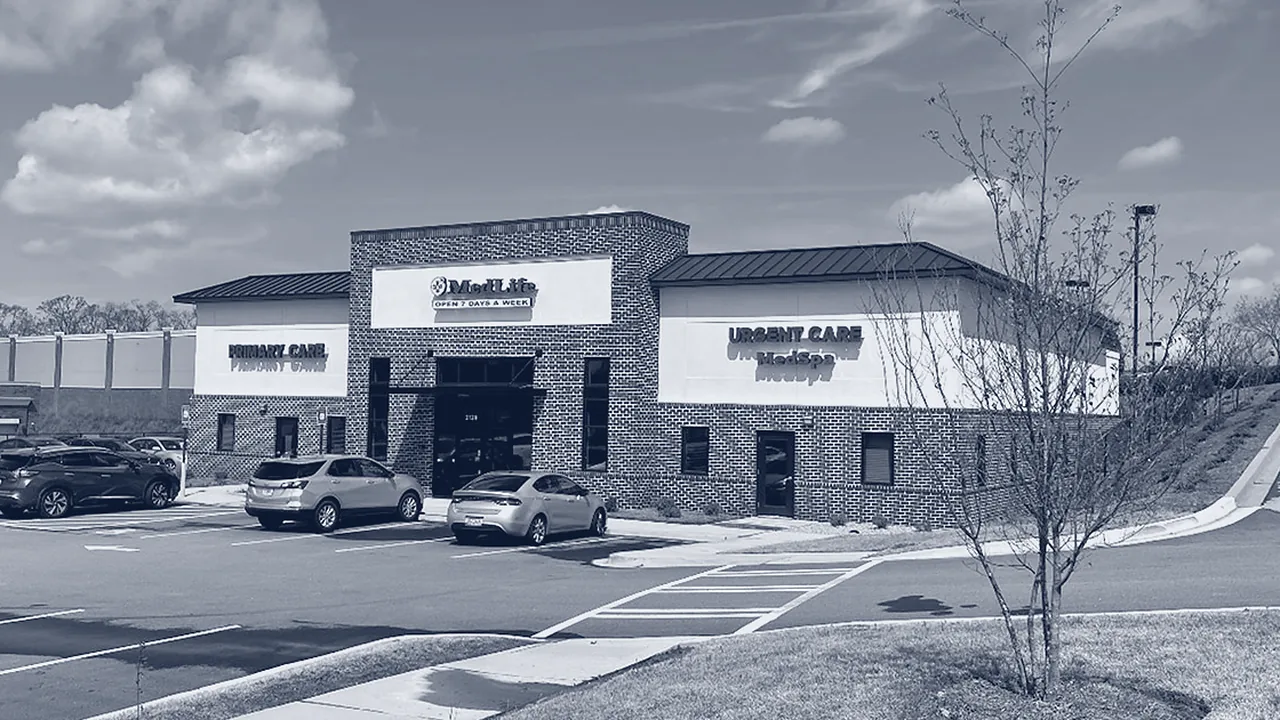
That last case is common for national and regional prototypes. The Farm Stores drive-through prototype that MASS designed was built to be adapted, with the exterior modified as needed to meet each local municipality's zoning requirements. On the Med Life urgent care building, the exterior brick, stucco and pitched roof were chosen to meet the municipality's zoning requirements. Designing to the ordinance is often faster than asking for relief from it.
Do the engineering before the hearing
A zoning approval is only as good as the plan behind it. Before filing, test the concept against stormwater, access, utilities, buffers and grading, so the plan you present is one you can permit. Nick Sawka, a MASS principal with more than 23 years of commercial land development experience, works on zoning, variances and predevelopment entitlements alongside site design, and variance approval and rezoning with municipalities is part of the MASS project management service. That combination matters because the person explaining the site plan to a board should be able to defend every element of it.
Rezoning and variance checklist
- Jurisdiction confirmed and current zoning map, district and conditions pulled.
- Proposed use checked against the district's use table.
- Every dimensional standard tested on a concept plan: setbacks, buffers, parking, landscape, height.
- Overlay districts and design standards identified.
- Request type chosen: rezoning, variance, special or conditional use, or amendment of conditions.
- Variance criteria from the local ordinance listed and addressed one by one.
- Concept plan backed by preliminary stormwater, access and utility checks.
- Application deadline, notice period and hearing calendar placed on the schedule.
- Neighbor and staff concerns identified before the hearing.
- Likely conditions anticipated and priced into the budget.
- Purchase contract contingencies aligned with the hearing schedule.
Frequently asked questions
Can I apply for a rezoning and a variance at the same time?
Many jurisdictions allow concurrent applications, and some combine them in one hearing. Ask the planning staff how they handle it, because the answer affects both the calendar and which board decides.
How long does a rezoning take in Georgia?
There is no single answer. State law sets the minimum notice window of 15 to 45 days before the hearing, but local application deadlines, planning commission and governing body calendars, and any deferrals control the actual timeline. Plan around the local calendar, not the statute.
Is a variance the same as a special use permit?
No. A variance relieves a specific standard because of a property condition. A special or conditional use permit approves a use the ordinance allows only with review. Since 2022, both are commonly handled as quasi-judicial decisions under Georgia's Zoning Procedures Law.
This article is general information, not legal advice. Zoning procedures and criteria are set by each local government within the limits of state law, and they change. Confirm the current ordinance for the exact parcel, and involve land-use counsel where appropriate.